
Tourist or Time Traveler? Visiting Places That Refuse to Modernize
Most vacations come with a checklist: comfy hotels, high-speed Wi-Fi, plenty of modern convenience. But what if your next trip felt more like time travel than tourism? Around the world, there are still places that have chosen preservation over progress, where horse-drawn carts outnumber cars and ancient rituals are part of daily life. These aren’t just throwbacks—they’re living, breathing glimpses into the past. Visiting them doesn’t just slow you down; it shifts your whole sense of time. So, pack your bags—but maybe leave the tech behind. Here’s what it’s like to step into places that have said “no thanks” to the modern world.
Streets That Haven’t Changed in Centuries
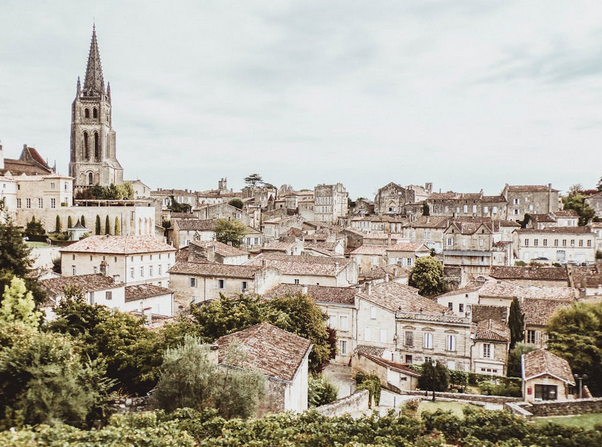
Some cities are so committed to their historic identity that walking through them feels like stepping onto a movie set—except it’s all real. Take Bruges in Belgium, for example. Its cobblestone streets, medieval buildings, and canals have been impeccably preserved. There are no neon signs or towering glass buildings to snap you out of the illusion. Instead, it’s quiet footsteps on old stone, the echo of church bells, and the scent of fresh waffles wafting from ancient storefronts. It’s not just a setting; it’s a full-body immersion into the past.
Technology-Free Traditions Still Going Strong

In parts of the world, rejecting modernization isn’t just about appearance—it’s a matter of principle. The Amish communities in Pennsylvania and Ohio famously live without electricity, cars, or the internet. What surprises many visitors isn’t how much they lack, but how much peace their way of life seems to offer. Chores are done by hand, meals are made from scratch, and face-to-face interaction isn’t nostalgic—it’s normal. It’s not about pretending the modern world doesn’t exist; it’s about choosing a different rhythm.
Islands Lost in Time
Certain islands feel like they’ve pressed pause on progress, not out of stubbornness, but survival. In the Faroe Islands or parts of Greece, modernization is slow, if not intentionally stalled. Life follows the natural patterns of the sea and sky. Wi-Fi might be spotty, stores may close for siesta, and locals are more likely to recommend a hike than a hotspot. What you lose in convenience, you gain in authenticity—breathtaking views, unhurried conversations, and a sense that the outside world can wait.
Cities That Preserve Over Renovate

Then there are places like Kyoto, Japan, where modernization coexists with deep preservation. Despite being a major city, large swaths of Kyoto are intentionally kept as they were hundreds of years ago. Tea houses still traditionally serve matcha, wooden machiya houses line quiet alleys, and centuries-old temples remain active parts of daily life. Here, tradition isn’t put on for tourists—it’s just how things are. It’s proof that you don’t have to freeze in time to respect it.
Where Modern Life Isn’t the Priority
What ties all these places together is a shared philosophy: that modernity isn’t the only definition of progress. In these towns and villages, success isn’t measured by how fast you can download a movie or how many chain stores line the street. It’s measured by community, continuity, and culture. The choice to preserve is often an act of resistance—against global sameness, against speed, and sometimes even against forgetting who you are.
Visiting places that resist modernization doesn’t just offer a change of scenery—it offers a change in mindset. These destinations remind us that slower isn’t worse, and older doesn’t mean outdated. Whether you’re strolling down a cobbled lane or sipping tea in a centuries-old courtyard, these moments challenge our usual pace and expectations. And who knows? You might return from your trip not just with photos, but with a new perspective on what progress really means. Maybe it’s not always about upgrading—sometimes, it’s about holding on.…